
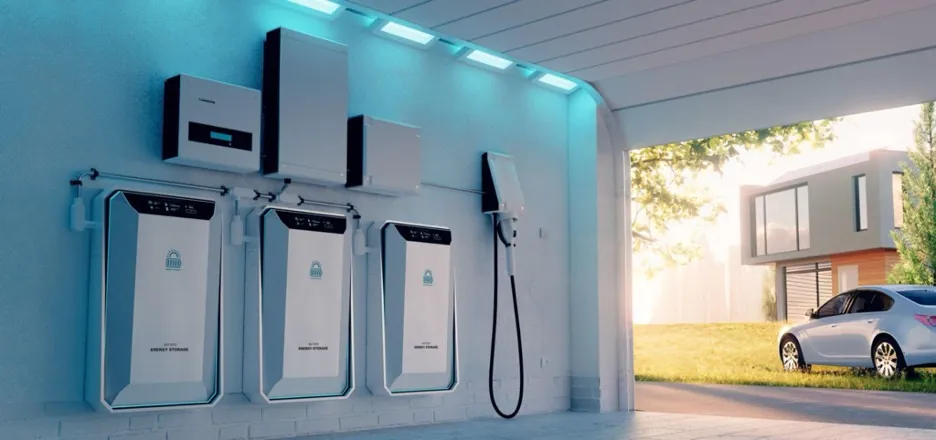
- Peak Shaving
One of the biggest benefits of residential energy storage is reducing the peak demand for electricity, thus lowering the costs. This way, the excess solar power produced during the day can be used during peak hours when electricity tariffs are comparatively higher.
This practice, known as peak shaving, helps reduce the overall electricity cost. Energy storage systems can also participate in demand response programs, where homeowners are rewarded for consuming less electricity during peak grid demand.
- Backup Power
Residential storage systems are reliable backup power sources, giving homeowners peace of mind during blackouts. In a power failure, stored energy can sustain critical appliances and systems to provide comfort and security. This is particularly important in places that experience frequent power blackouts or for houses that contain appliances that require steady power, such as those used in hospitals. Through energy storage, homeowners can avoid these issues and possible dangers associated with power outages.
- Time-of-Use (TOU) Rate Optimization
The majority of electricity companies provide time-of-use (TOU) plans. These plans offer electricity at different tariffs based on the time of the day. Residential energy storage systems can use these plans to save money on electricity bills. A homeowner can purchase the electricity when it is cheap and use it when it is expensive.
- Grid Services
Owners of residential energy storage systems at their homes can assist power companies in some ways. These companies provide rebates and incentives that allow homeowners to store power during peak hours or use power to stabilize the grid. In this method, homeowners can earn more money by assisting electric companies.
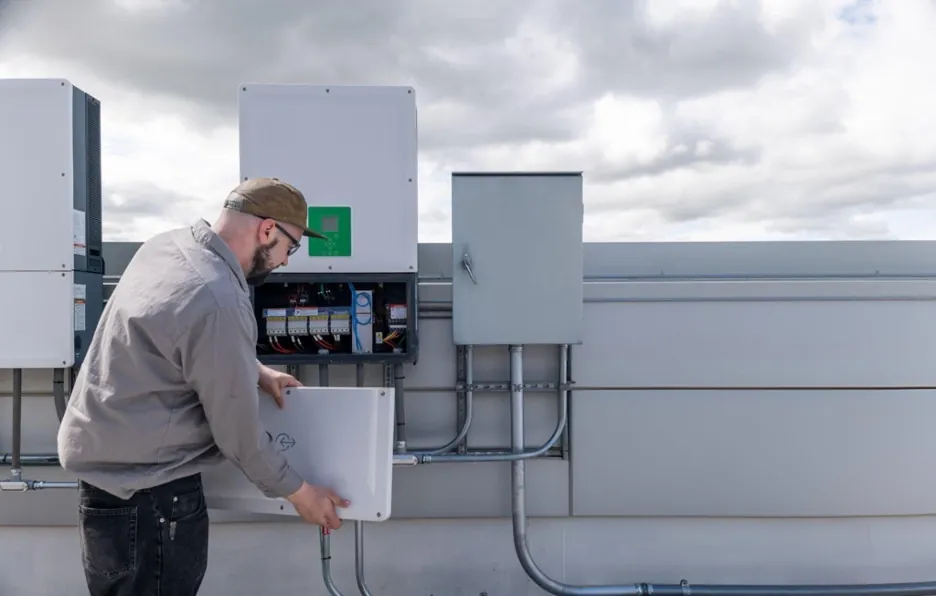
- Self-Sufficiency
Home-based energy storage systems assist people in depending less on the power delivered by electric networks. Solar panel owners and energy storage can produce a considerable part of the power needed in their homes. This way, they are not influenced by fluctuating electricity tariffs or power outages in their homes. Many people today are interested in rechargeable batteries for solar panels for their homes.
- Cost Savings
Home energy storage systems provide many financial benefits for consumers. They allow homeowners to reduce their dependence on the grid when electricity demand and utility prices are high.
This practice, commonly known as peak shaving, leads to a significant reduction in monthly electricity bills. Energy storage systems also enable homeowners to benefit from the time-of-use (TOU) power tariffs, enhancing energy expenses. These systems yield long-term cost savings that help justify the expenses of acquiring and implementing them for home use.
- Energy Independence
Residential energy storage systems give homeowners more control over the energy they consume. This means that homeowners can conserve and use the energy stored in the sun, thereby minimizing the use of electricity from the grid. This independence is beneficial during a blackout since energy storage systems can supply power to critical devices and lamps. Residential power storage systems are useful in regions that experience frequent blackouts or areas with unreliable electricity supply.
- Sustainability
Home energy storage batteries serve a vital function in contributing to achieving sustainable goals. Homeowners can gain the most from renewable energy sources by efficiently storing excess energy using batteries, which can reduce the effects of climate change and improve the environment.
Also, energy storage systems can complement the fluctuation of SOC that occurs with solar generation, maintaining the stability of the grids and enhancing the penetration of renewable energy.